
Visiting Chichu Art Museum: Ultimate Naoshima Travel & Booking Guide
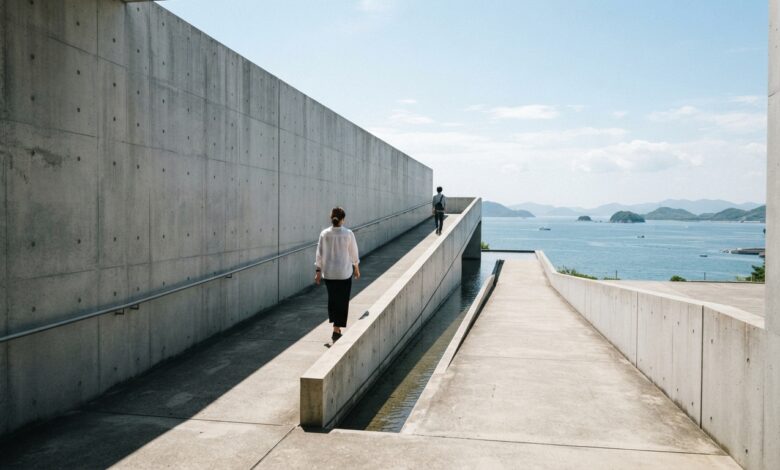
For global travelers and contemporary art aficionados, a pilgrimage to Naoshima Island in Japan’s Seto Inland Sea represents the ultimate cultural journey. At the epicenter of this art island phenomenon sits the legendary chichu art museum, a groundbreaking subterranean institution where architecture, natural light, and fine art merge into a singular breathtaking experience. For readers of The Better Readers, planning an international journey requires precise logistics, insider booking strategies, and deep contextual insight that leaves zero questions unanswered.
With search engines rewarding comprehensive, semantically rich guides that completely satisfy user intent, this masterclass unpacks every detail you need before setting foot on Naoshima. From navigating Tadao Ando’s labyrinthine concrete corridors to securing hard-to-find timed tickets and experiencing immersive installations by Claude Monet, James Turrell, and Walter De Maria, this guide guarantees your trip is executed to absolute perfection.
The Vision Behind Chichu Art Museum: Architecture Meets Nature
Established in 2004 as part of the Benesse Art Site Naoshima initiative, the chichu art museum was built to explore the relationship between humanity, art, and nature. Master architect Tadao Ando designed the facility to be built almost entirely underground to prevent the structures from disrupting the pristine natural ridgelines of Naoshima’s southern coast.
Visitors descend into the earth through angular concrete corridors that play tricks with perspective, shadow, and sound. Rather than relying on artificial electric bulbs, the galleries are illuminated entirely by natural sunlight entering through strategically placed skylights and ceiling apertures. This dynamic lighting ensures that no two visits to the chichu art museum are ever identical, as weather patterns and cloud movements continually repaint the gallery walls. For further reading on global architectural landmarks and museum design, explore reports from Architectural Digest and Dezeen Architecture Magazine.
Experiencing Monet’s Water Lilies in Silence
The museum’s opening gallery houses five magnificent canvases from Claude Monet’s legendary Water Lilies series. To preserve the contemplative atmosphere, visitors are required to remove their footwear upon entry, walking across pristine white marble tiles that echo the peaceful ambiance of a traditional Japanese sanctuary.
The gallery features white plastered walls and natural sunlight pouring from a concealed glass roof. The absence of heavy frames and electric glare allows viewers to appreciate every subtle brushstroke, pastel hue, and shimmering reflection as Monet intended when painting them in his Giverny studio.
James Turrell’s Light Installations and Skyspaces
James Turrell’s permanent exhibition rooms inside the chichu art museum challenge human perception of space and color. Utilizing pure light as his physical medium, Turrell constructs optical environments that seem to dissolve solid concrete walls into infinite voids of color.
His signature piece, Open Sky, invites visitors to sit on minimalist benches facing a precise rectangular opening cut into the ceiling. As daylight transitions into dusk, the surrounding artificial wall lighting alters our perception of the open sky above, turning the clouds into vibrant neon canvases. For dedicated art lovers, booking the Friday or Saturday evening night program unlocks an ethereal 45-minute sunset viewing session.
Walter De Maria’s Time/Timeless/No Time Sanctuary
Occupying the deepest subterranean chamber of the chichu art museum is Walter De Maria’s monumental installation. A massive, polished black granite sphere rests on a grand staircase flanked by twenty-seven golden-leafed wooden pillars.
Bathed in daylight from a towering overhead skylight, the space induces profound introspection. The rhythmic echo of footsteps and the slow movement of sunlight across the granite sphere offer a meditative pause from the fast-paced modern world.
Strolling Through Chichu Garden
Outside the subterranean galleries lies Chichu Garden, meticulously planted with botanical species echoing Claude Monet’s famous gardens in Giverny. Visitors can admire water lilies, weeping willows, and seasonal perennials that bloom in vibrant harmony throughout the year.
Essential Booking Rules and Travel Logistics for Naoshima
Securing entry to the chichu art museum requires advance planning. Tickets operate on a 100% timed-entry, online reservation system released two months in advance via the official Benesse Art Site Naoshima website. Walk-in tickets are rarely available, and sellouts occur rapidly during peak seasons.
Photography is strictly forbidden inside the museum to protect artworks and maintain silence. Travelers must also stow large bags in lockers prior to entering and coordinate their ferry schedules from Uno or Takamatsu port with local bus lines.
| Exhibition Area | Primary Artist | Unique Visitor Experience |
|---|---|---|
| Monet Gallery | Claude Monet | Shoe-free marble floor viewing under natural skylights |
| Turrell Rooms | James Turrell | Optical light illusions and sunset Skyspace viewing |
| De Maria Chamber | Walter De Maria | Massive granite sphere and gilded pillars in natural light |