Can Chickens Eat Sweet Potatoes? A Complete Feeding Guide
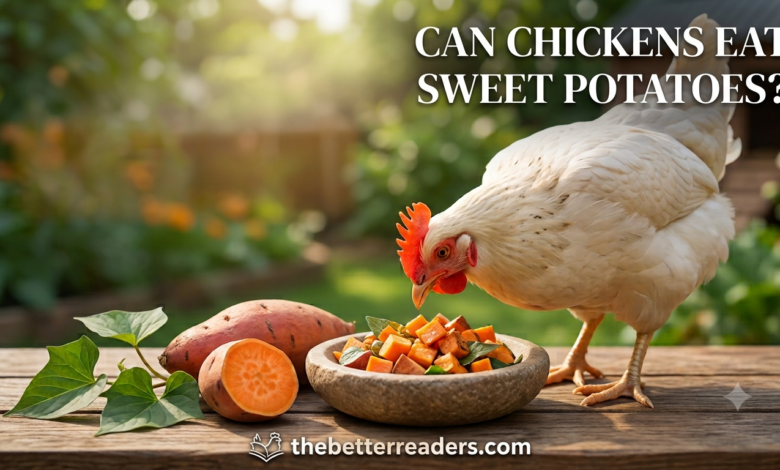
If you keep backyard chickens, you already know how much they love pecking at kitchen scraps. Sweet potatoes are one of those vegetables that show up on almost every dinner table, and it is only natural to wonder whether you can toss the leftovers into the coop.
The short answer is yes, chickens can eat sweet potatoes safely, and in most cases they will absolutely love them. But there is more to the story than a simple yes. How you prepare them, how much you offer, and which parts of the plant are safe all matter for keeping your flock healthy.
This guide walks through everything a chicken keeper needs to know before adding sweet potatoes to the feeding routine, from nutrition and preparation to portion sizes and common mistakes.
Can Chickens Eat Sweet Potatoes?
Yes, chickens can eat sweet potatoes, and they are considered one of the safest vegetable treats you can offer your flock. Unlike white or regular potatoes, sweet potatoes belong to the morning glory family rather than the nightshade family.
This distinction matters because nightshade vegetables, including white potatoes, tomatoes, and eggplant, can contain a natural toxin called solanine in their green parts, sprouts, and unripe sections. Sweet potatoes simply do not carry that risk, which makes them a much more forgiving treat for backyard flocks.
Chicken keepers often assume that because white potatoes come with warnings, sweet potatoes must be risky too. That assumption is incorrect. Sweet potatoes are botanically unrelated to white potatoes despite the similar name, and this is one of the most searched questions among poultry owners trying to plan a safe treat rotation.
Why Are Sweet Potatoes Considered Safe for Chickens?
The main reason sweet potatoes are safe comes down to their plant family and their nutrient profile. Because they lack solanine, chickens can eat the flesh, skin, and even the plant itself without the poisoning risk associated with nightshade vegetables.
On top of that, sweet potatoes are naturally low in harmful compounds and high in beneficial nutrients, which makes them a treat that actually contributes something positive to your flock’s diet rather than just filling their crop with empty calories.
Chickens also seem to genuinely enjoy the taste and texture, especially once the sweet potato has been cooked and softened. Many keepers report that sweet potato becomes one of the first treats their flock finishes completely, leaving nothing behind in the run.
What Nutrients Do Sweet Potatoes Provide to Chickens?
Sweet potatoes are considered a nutrient dense treat rather than empty filler. Here is a general breakdown of what a small serving offers your flock.
| Nutrient | Benefit for Chickens |
| Vitamin A (beta-carotene) | Supports eye health, skin condition, and immune function |
| Vitamin C | Acts as an antioxidant and supports the immune system |
| Vitamin B6 | Supports metabolism and nerve function |
| Fiber | Aids digestion when fed in moderation |
| Potassium | Supports muscle function and hydration |
| Manganese | Supports bone and enzyme health |
The beta-carotene content is particularly notable because chickens convert it into vitamin A, which supports respiratory health, healthy feathers, and stronger immune response. Many keepers also notice that regular feeding of orange fleshed sweet potatoes can deepen egg yolk color over time, since carotenoids are a well documented contributor to yolk pigmentation.
Compared to many common kitchen scraps, sweet potatoes offer a more balanced nutritional package. Bread, crackers, or plain rice mostly deliver empty carbohydrates with little else to offer, while sweet potatoes bring vitamins and minerals along with their natural sugars. This is one reason many poultry keepers rotate sweet potato into their treat schedule instead of relying on less nutritious scraps.
Does the Sweet Potato Variety Matter?
Sweet potatoes come in several varieties, ranging from the common orange fleshed type to purple, white, and yellow fleshed versions. All varieties are considered safe for chickens, though the orange fleshed type tends to carry the highest concentration of beta-carotene and therefore has the strongest effect on yolk color. Purple sweet potatoes contain anthocyanins, another beneficial antioxidant group, so feeding a mix of varieties can offer a broader range of nutrients over time. There is no need to stick to a single type if you have access to different sweet potato varieties from a garden or local market.
Can Chickens Eat Sweet Potato Skin?
Yes, chickens can eat sweet potato skin without any issue. Unlike white potato skin, which can carry solanine if the potato has turned green or sprouted, sweet potato skin is completely safe whether it is served raw or cooked.
In fact, much of the fiber and some of the nutrients are concentrated close to the skin, so leaving it on can add extra value to the treat. Just wash the skin thoroughly first to remove any dirt or pesticide residue, especially if the sweet potato was not organically grown.
Can Chickens Eat Raw Sweet Potatoes?
Chickens can technically eat raw sweet potatoes since there is no toxin to worry about, but raw sweet potato flesh is dense and hard, which makes it difficult for chickens to peck apart and digest comfortably. If you decide to offer it raw, cut it into small, manageable pieces or grate it so your flock does not struggle or risk choking. Most keepers find that cooking the sweet potato first is the more practical option, simply because chickens eat it faster and with less effort.
Does Cooking Make Sweet Potatoes Safer or Better?
Cooking does not make sweet potatoes safer in the same sense it does for white potatoes, since there is no solanine to neutralize. What cooking does accomplish is softening the flesh, which makes the treat much easier for chickens to break apart and swallow.
Boiling, baking, steaming, or roasting are all suitable methods. The only rule to follow is keeping the preparation plain. Avoid butter, salt, sugar, cinnamon, marshmallows, or any seasoning typically used in human sweet potato dishes, since these additions offer no benefit to chickens and can even cause digestive upset.
Can Chickens Eat Sweet Potato Leaves and Vines?
Yes, the leaves, vines, stems, and flowers of the sweet potato plant are all safe for chickens to eat, in addition to the root itself. This is a useful fact for anyone who grows sweet potatoes at home, since the vines are often discarded at harvest time.
Instead of composting them, many keepers toss the trimmed vines directly into the run, where chickens will scratch, peck, and forage through them. It is worth noting that hens allowed to free range near a sweet potato patch may also scratch up the soil around young plants, so some gardeners prefer to fence off growing beds until harvest.
How Much Sweet Potato Can Chickens Eat?
Sweet potatoes should be treated as a supplemental snack rather than a replacement for a balanced layer or grower feed. A commonly recommended guideline is that treats of any kind, including sweet potatoes, should make up no more than about ten percent of a chicken’s overall daily intake. The remaining ninety percent should come from a nutritionally complete commercial feed formulated for their age and purpose.
Feeding sweet potatoes once or twice a week in small, bite sized portions is generally considered a safe and healthy routine. Overfeeding any starchy treat, even a safe one like sweet potato, can lead to imbalanced nutrition, unwanted weight gain, or loose droppings from excess fiber intake.
How to Prepare Sweet Potatoes for Your Flock
Preparing sweet potatoes for chickens is simple and does not require any special equipment. Wash the sweet potato thoroughly to remove dirt. Boil, bake, or steam it until soft, usually around fifteen to twenty five minutes depending on size. Allow it to cool completely before serving, since chickens can burn their mouths on hot food just like any other animal.
Cut or mash the cooled sweet potato into small pieces so the entire flock can access it without one dominant bird hogging the whole treat. Scatter the pieces in the run rather than piling them in one spot to reduce squabbling and give every bird a fair chance.
Signs You May Be Overfeeding Treats
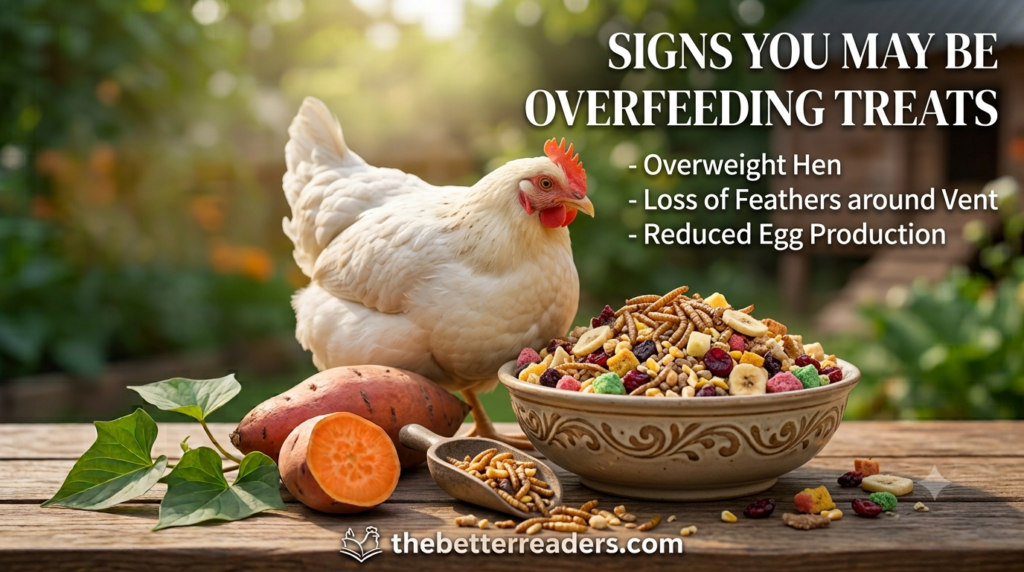
Even a healthy treat like sweet potato can cause problems if it replaces too much of a chicken’s regular feed. Watch for warning signs such as loose or watery droppings, reduced interest in their regular feed, a drop in egg production, or noticeable weight gain over several weeks.
If you notice any of these signs, scale back the frequency or portion size of treats and make sure your flock’s primary diet remains a complete, balanced commercial feed appropriate for their age and purpose. Treats, no matter how nutritious, are meant to supplement a healthy diet rather than replace it.
Can Baby Chicks Eat Sweet Potatoes?
It is best to avoid feeding sweet potatoes, or any treats at all, to very young chicks. Baby chicks need a specially formulated starter feed that delivers precise levels of protein and nutrients to support rapid early growth.
Introducing treats too early can dilute the nutritional balance of their diet at a critical developmental stage. Most keepers wait until chicks are at least a few weeks old and transitioning toward grower feed before introducing small amounts of soft, cooked treats like sweet potato.
Does Sweet Potato Improve Egg Production or Yolk Color?
While sweet potato is not a magic solution for egg production, its high beta-carotene content is well known for enhancing yolk color, giving eggs a richer, deeper orange appearance that many backyard keepers find appealing. This is a purely cosmetic and nutritional benefit rather than a guarantee of more eggs, but it is one of the more noticeable effects keepers report after adding sweet potato to the rotation.
What Should You Avoid When Feeding Sweet Potatoes to Chickens?
Avoid canned sweet potatoes packed in syrup, since the added sugar is unnecessary and unhealthy for chickens. Skip any dish prepared with butter, salt, marshmallows, cinnamon, or other seasonings meant for human consumption.
Do not feed moldy or spoiled sweet potatoes, as mold can produce toxins harmful to poultry. Finally, remember that even a safe treat should be given in moderation, since chickens need a complete and balanced diet more than they need variety.Also read this .
FAQs
Are sweet potatoes toxic to chickens like white potatoes can be?
No. Sweet potatoes belong to a different plant family than white potatoes and do not contain solanine, so they do not carry the same toxicity risk.
Can chickens eat sweet potato peels raw?
Yes, raw sweet potato peels are safe, though washing them first is recommended to remove dirt or residue.
Is it better to feed sweet potatoes cooked or raw?
Cooking is generally easier for chickens to eat and digest, though raw is not unsafe as long as it is cut into manageable pieces.
Can chickens eat sweet potato pie or canned yams?
No, these preparations usually contain added sugar, butter, or spices that are not healthy for chickens and should be avoided.
How often can chickens have sweet potatoes as a treat?
One to two times per week in small portions is a reasonable guideline, keeping total treats under about ten percent of their diet.
Final Thoughts
Sweet potatoes are one of the safest, most nutrient rich treats you can offer your backyard flock. From the root to the vine, nearly every part of the plant is safe for chickens to enjoy, and the beta-carotene content even adds a visible boost to egg yolk color over time. As with any treat, moderation and proper preparation are the keys to keeping your flock healthy while giving them something they genuinely enjoy pecking at.
Whether you grow sweet potatoes in your own garden or simply have leftovers from the kitchen, this is one treat you can feel confident sharing with your chickens. Keep portions small, keep preparation plain, and your flock will enjoy a tasty, nutritious addition to their regular diet for years to come.