
Secrets of Seashore Life: Field Guide to Coastal Animals & Flora (2026)
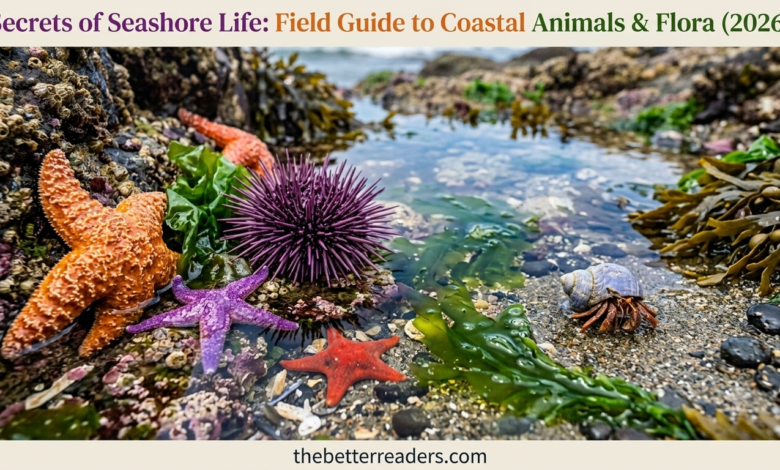
Unlocking the Mysteries of Seashore Life: A Comprehensive Coastal Field Guide
Discover the hidden wonders of the shoreline. From tide pool invertebrates to salt-tolerant coastal plants, dive into our complete field guide to seashore life and marine adaptations.
Key Educational Insights
- Intertidal Habitat Zonation: Seashore ecosystems feature distinct vertical zones influenced by tidal rhythms and atmospheric exposure.
- Survival Adaptations: Marine invertebrates rely on protective shells, strong adhesives, and camouflage to withstand wave force and extreme heat.
- Coastal Balance: Marine algae, shorebirds, and intertidal predators interact in complex food chains essential to overall ocean health.
An Introduction to Seashore Life and Tidal Ecology
The boundary where land and ocean intersect is home to one of the world’s most resilient biological communities. Seashore life comprises all the plants, animals, algae, and microorganisms that live within the intertidal zone—the dynamic stretch of coast continuously reshaped by rising and falling ocean tides.
Organisms dwelling in this narrow ecological fringe experience rapid environmental shifts twice a day. When the tide recedes, marine species face baking sun, drying winds, freshwater rainfall, and intense predation from land animals and shorebirds. When the tide returns, they must endure pounding surf and shifting saltwater currents. Despite these intense physical stresses, coastal habitats exhibit incredible species density and biomass production.
Whether examining microscopic phytoplankton or studying the complex hunting behaviors of shorebirds, exploring seashore life reveals profound evolutionary solutions to extreme environmental conditions. If you want to explore more educational nature guides and science resources, check out The Better Readers library.
Understanding the Four Zones of the Shoreline
Ecologists categorize rocky and sandy shorelines into four horizontal bands, known as intertidal zones, based on how much time each area spends underwater.
1. The Supratidal (Splash) Zone
Positioned above the highest high-tide level, this zone receives moisture exclusively from ocean mist and wind-driven spray. Species here face severe dehydration risks. Characteristic organisms include black lichens, maritime plants like sea holly, and rough periwinkles that store water tightly inside their shells.
2. The High Intertidal Zone
This region is flooded only during peak high tides. Inhabitants spend most of their day exposed to sunlight and air. Acorn barnacles, limpets, and blue mussels dominate this area, utilizing specialized shell shapes and organic glues to cling securely to rock faces.
3. The Middle Intertidal Zone
Covered and uncovered by sea water approximately every twelve hours, this dynamic zone experiences high wave energy. Dense beds of sea anemones, shore crabs, mussel clusters, and brown rockweeds flourish in this fertile nutrient-rich environment.
4. The Low Intertidal Zone
Submerged almost constantly, this zone is exposed only during extreme spring low tides. Because it offers the most stable conditions, it supports maximum species diversity, including purple sea urchins, giant sea stars, sea slugs, and expansive kelp forests.
| Intertidal Level | Submersion Pattern | Environmental Stress | Key Resident Organisms |
|---|---|---|---|
| Splash Zone | Never fully submerged | Drying winds, intense sunlight | Lichens, periwinkles, maritime plants |
| High Zone | Submerged briefly during high tide | Dehydration, temperature spikes | Limpets, barnacles, mussels |
| Middle Zone | Submerged ~50% of the daily cycle | Wave impact, spatial competition | Anemones, rockweeds, shore crabs |
| Low Zone | Exposed only during extreme low tides | Predation, light limitation under kelp | Sea stars, kelp, sea urchins, octopus |
Invertebrate Diversity along the Shoreline
Invertebrates represent the majority of animal life along the coast. Their diverse adaptations enable them to thrive in tide pools and rock crevices.
Mollusks: Shell-Protected Grazers and Filter Feeders
Mollusks include bivalves (clams, mussels) and gastropods (snails, limpets). Limpets graze on micro-algae using a hard radula tongue, scraping rock surfaces clear. Mussels filter microscopic plankton directly from seawater, anchoring themselves with tough organic fibers called byssal threads.
Crustaceans: Mobile Armor and Filter Feeders
Shore crabs possess thick shells and strong claws designed to open thick bivalves and defend territory. Hermit crabs scavenge for organic debris while living inside discarded snail shells. Barnacles, though looking like mollusks, are actually crustaceans that filter feed using specialized legs called cirri.
Echinoderms: Hydraulic Wonders of the Tide Pool
Sea stars, sea urchins, and sea cucumbers belong to the echinoderm family. Sea stars hunt bivalves by attaching strong suction-cup tube feet to mussel shells, slowly pulling them open to insert their stomachs and digest prey inside out.
Educational Resource Note
Understanding coastal biodiversity is essential for marine research. Explore scientific literature and research papers on marine life via ResearchGate Marine Science Collections.
Coastal Plants and Seaweeds
Marine algae are the photosynthetic backbone of intertidal food chains. Unlike terrestrial plants, seaweeds absorb nutrients directly from seawater through all parts of their bodies.
- Chlorophyta (Green Algae): Thrives in bright shallow water, such as sea lettuce (Ulva).
- Phaeophyta (Brown Algae): Includes massive giant kelps and bladderwracks featuring gas-filled bladders that float fronds toward sunlight.
- Rhodophyta (Red Algae): Capable of deep-water photosynthesis due to specialized pigments that capture blue light waves.
Coastal Vertebrates: Birds, Fish, and Marine Life
Small fish such as gobies and sculpins are uniquely adapted to shallow tide pools. They can tolerate fluctuating oxygen levels and salinity changes during low tide. Shorebirds like sandpipers and oystercatchers use long, specialized beaks to feast on worms, crabs, and bivalves buried in wet coastal sand.
Safety and Conservation Reminder
When visiting tide pools, always watch the tide chart to avoid getting stranded by rising water. Avoid disturbing nesting birds along coastal dunes and beaches.
Best Practices for Responsible Tide Pooling
When exploring seashore habitats, keep these conservation guidelines in mind to protect fragile ecosystems:
- Step Carefully: Walk on bare rock to avoid stepping on mussels, anemones, or barnacles.
- Touch Gently: Use two wet fingers to gently touch tide pool creatures. Do not forcefully pry attached animals off rocks.
- Return Overturned Rocks: Always gently turn rocks back to their original position to prevent exposed creatures from drying out or being eaten.
- Take Memories, Leave Wildlife: Leave living animals, seaweeds, and shells in their natural tide pool habitats.
Frequently Asked Questions About Seashore Life
Q1: What defines seashore life?
A: Seashore life encompasses all organisms—including marine invertebrates, algae, fish, and birds—that live along the ocean shoreline and within intertidal tide pool habitats.
Q2: How do tide pool animals stay wet when exposed to air?
A: Animals like snails lock moisture in using a tight shell lid (operculum), while anemones retract their tentacles and produce protective mucus to prevent water loss during low tide.
Q3: What is the ideal time to explore seashore life?
A: The best time for tide pooling is during low tide, especially during spring low tides (around full and new moons). Plan to arrive an hour before peak low tide.
Q4: Why is seaweed important to seashore life?
A: Seaweed forms the base of the coastal food web, generates oxygen through photosynthesis, provides shelter for young animals, and buffers the shore against strong wave action.
Q5: Can empty shells be removed from the beach?
A: While taking a couple of empty shells is generally acceptable, leaving them on the beach allows them to break down and recycle calcium carbonate back into the ecosystem while providing shelter for hermit crabs.