
Can Goats Eat Blueberries? Safe Guide 2026
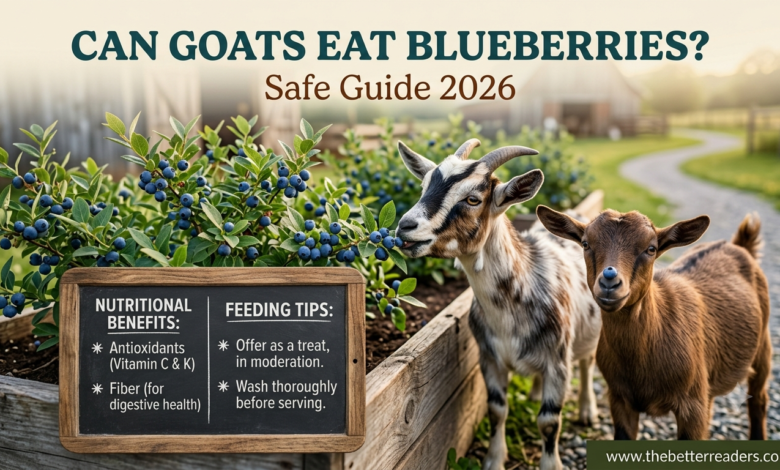
Blueberries are one of those fruits that seem to show up in every kitchen during the summer months, whether fresh from a garden bush or picked up in bulk at the grocery store. If you keep goats, it is only natural to wonder whether you can share a handful with your herd.
The short answer is yes, goats can eat blueberries, and most goats absolutely love them, often treating them as one of the most exciting snacks in their entire treat rotation. This small, antioxidant packed fruit is one of the safer and more nutritious treats a goat owner can offer, as long as it stays within sensible limits.
This guide covers everything you need to know about feeding blueberries to goats, from nutritional benefits and safe portions to preparation tips and the questions goat owners ask most often.
Can Goats Eat Blueberries?
Yes, goats can eat blueberries safely and easily. They are non toxic, easy for goats to chew and swallow, and offer real nutritional value thanks to their vitamin and antioxidant content. Many goat owners describe blueberries as one of the treats their herd gets most excited about, often approaching quickly when they see a container come out.
Unlike some fruits that require careful pit removal or peeling, blueberries are simple to prepare and can be offered whole without much fuss.
Why Are Blueberries Considered a Healthy Treat for Goats?
Blueberries are often referred to as a superfood for people, and much of that reputation carries over to goats as well. They are rich in antioxidants, which help protect cells from damage, along with a solid mix of vitamins and minerals that support overall health.
Unlike starchy treats or processed snacks, blueberries bring genuine nutritional value along with their natural sweetness, making them a treat that actually benefits a goat’s health rather than just satisfying a craving.
What Nutrients Do Blueberries Provide to Goats?
Blueberries pack a surprising amount of nutrition into a small package. Here is a general breakdown of what the offer.
| Nutrient | Benefit for Goats |
| Vitamin C | Supports immune function |
| Vitamin K | Supports blood clotting and bone health |
| Manganese | Supports metabolism and bone development |
| Fiber | Aids healthy digestion in moderation |
| Antioxidants | Helps protect cells from oxidative stress |
The antioxidant content in blueberries is particularly notable, since these compounds are believed to help support a goat’s immune system and may offer some protection against cellular damage over time. While blueberries should never replace a goat’s regular diet, they do contribute meaningfully more nutrition than many other common treats,
making them a smart choice when you want a snack that offers more than just empty sweetness.
How Many Blueberries Can Goats Eat?
Like most fruit treats, blueberries should make up no more than about twenty percent of a goat’s total diet at most, and in practice, a much smaller portion on any given day is the safer approach. A small handful of blueberries offered a few times a week is a reasonable guideline for most goats.
Because blueberries contain natural sugar, overfeeding them can lead to digestive upset, so treating them as an occasional snack rather than a daily habit keeps a goat’s diet properly balanced.
Can Blueberries Cause Digestive Problems in Goats?
Feeding too many blueberries at once can occasionally lead to loose stools or mild digestive upset, mainly due to the natural sugar content. This is uncommon with small, sensible portions but becomes more likely if a goat eats a large quantity in one sitting, especially if blueberries are introduced suddenly rather than gradually.
As with any new treat, it is a good idea to start with a small amount and watch how your goat responds before offering larger portions.
Can Goats Eat Blueberry Leaves and Plants?
Yes, goats can safely eat the leaves of a blueberry plant, and many goats seem to enjoy nibbling on the bush itself when given access to it. That said, most goats will still prefer the sweet fruit over the leaves if given a choice between the two. If you grow your own blueberry bushes and treat them with pesticides,
it is important to fence off the plants or wait until any treatment has fully worn off before allowing your goats near them, since pesticide residue on leaves can be harmful.
How Should You Prepare Blueberries for Goats?
Preparing blueberries for your herd is simple and requires very little effort. Wash the blueberries thoroughly to remove dirt, pesticide residue, or any surface bacteria, especially if they came from a grocery store rather than your own garden.
Because blueberries are small and soft, they generally do not need to be cut up before feeding, though larger goats and kids alike should have no trouble handling them whole. Scatter a small handful across the ground rather than offering them in a single pile, which encourages natural foraging behavior and helps prevent one goat from eating more than its fair share in a mixed herd.
Can Baby Goats Eat Blueberries?
It is best to avoid giving blueberries, or any treats at all, to very young kids. Most sources recommend waiting until a goat is at least six weeks old before introducing any treats, since a kid’s digestive system at that stage is designed to process milk rather than solid food.
Once kids are weaned and eating alongside the rest of the herd, small amounts of blueberries can be introduced gradually while watching for any signs of digestive upset.
Can Goats Eat Frozen or Dried Blueberries?
Fresh blueberries are the best option for goats. Frozen blueberries are generally safe as well, though they should be thawed first, since very cold food can be uncomfortable for a goat to eat and some frozen products contain added preservatives worth checking for.
Dried blueberries are far more concentrated in sugar per bite than the fresh version, so they should only be offered sparingly, if at all. Canned blueberries and blueberry pie filling should be avoided entirely, since these products typically contain added sugar, salt, or preservatives that can upset a goat’s stomach.
Can Goats Eat Blueberry Muffins, Pies, or Other Baked Goods?
No, blueberry flavored baked goods such as muffins, pies, and pastries should not be given to goats. These products are made with large amounts of sugar, butter, and processed flour, none of which offer any nutritional benefit to a goat and can contribute to digestive upset or unhealthy weight gain over time.
Goats are not able to tell the difference between a healthy treat and an unhealthy one, so it is up to the owner to keep anything processed or sugar heavy out of reach.
Does Feeding Blueberries Benefit a Goat’s Immune System?
The vitamin C and antioxidant content found in blueberries is often associated with immune support, which may help a goat’s body better handle everyday stressors. While blueberries are not a substitute for proper veterinary care or a balanced diet, many goat owners view them as a small nutritional bonus layered on top of a treat their herd already enjoys eating.
What Other Fruits Pair Well With Blueberries?
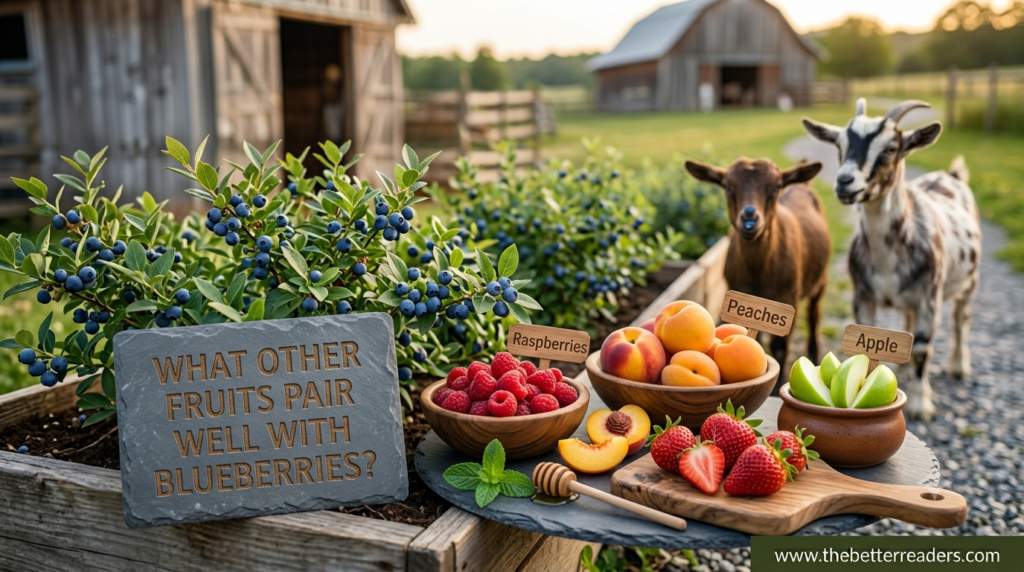
Blueberries rotate nicely with other goat safe fruits such as apples, bananas, strawberries, watermelon, and grapes. Rotating between a variety of fruits rather than relying on one alone helps spread out the nutritional benefits while keeping treat time interesting for your herd.
Many owners enjoy mixing a small handful of blueberries with other berries or diced fruit to create a varied treat that appeals to the whole herd at once.
Do Goats Actually Prefer Blueberries Over Other Treats?
Many goat owners report that blueberries rank among the most popular treats in their herd’s rotation, often disappearing faster than vegetables or other fruits offered at the same time. The natural sweetness and soft, easy to chew texture make blueberries especially appealing, even to goats that tend to be picky eaters.
This strong appeal can work in an owner’s favor, since mixing a few blueberries with a less exciting supplement, such as a mineral mix or medication, can encourage a reluctant goat to eat something it might otherwise avoid.
How Do Blueberries Compare to Other Berries for Goats?
Compared to other berries commonly fed to goats, such as strawberries and raspberries, blueberries hold their own nutritionally and are considered just as safe. Strawberries tend to have a slightly higher sugar content, while raspberries offer a bit more fiber.
All three are good options in moderation, and rotating between them rather than sticking to just one type can help provide a broader range of nutrients while keeping treat time varied and interesting for the herd.
Signs You May Be Overfeeding Blueberries
Even a healthy treat like blueberries can cause problems if offered in excess. Watch for signs such as loose or watery droppings, reduced interest in hay or regular feed, or noticeable lethargy after a large blueberry feeding. If any of these signs appear, cut back on the amount and frequency of blueberries being offered and make sure the bulk of your goat’s diet continues to come from hay, pasture, and a properly balanced feed.
Treats, no matter how nutritious, should always play a supporting role rather than becoming a meaningful part of daily nutrition.
Are Blueberries Good for Hydration?
While blueberries are not as water heavy as fruits like watermelon, they do contain a reasonable amount of moisture and can offer a small hydration boost during warmer months. This makes them a pleasant option to mix into a rotation of summer treats,
particularly for goats that may be less interested in drinking enough water on especially hot days. As always, blueberries should be viewed as a supplement to proper hydration rather than a replacement for a constant, clean water supply.
Do Blueberries Affect Milk Production in Dairy Goats?
There is no strong evidence that blueberries meaningfully affect milk production one way or another in dairy goats. Because they are fed in small quantities as an occasional treat, blueberries are unlikely to influence milk supply or flavor the way that some stronger tasting foods, such as garlic or certain herbs, sometimes can. Dairy goat owners can generally offer blueberries without worrying about any noticeable changes to their milk.Read this blog Can Goats Eat Lettuce?
FAQs
Are blueberries safe for all goats to eat?
Yes, blueberries are safe for adult goats and weaned kids alike, though very young kids under about six weeks old should avoid treats entirely.
Can goats eat too many blueberries?
Yes, overfeeding blueberries can lead to loose stools or digestive upset due to their natural sugar content, so moderation is important.
Do goats need to have blueberries washed before eating them?
Yes, washing blueberries removes dirt, pesticide residue, and surface bacteria that could otherwise upset a goat’s stomach.
Can goats eat blueberry bushes in the garden?
Goats can eat the leaves of a blueberry bush safely, though they typically prefer the fruit and will often ignore the leaves if given a choice.
Is it safe to give goats dried blueberries?
Dried blueberries are much higher in sugar concentration than fresh ones and should only be offered in very small, occasional amounts.
Final Thoughts
Blueberries are a safe, nutritious, and genuinely enjoyable treat for backyard goats when offered in moderation. Packed with antioxidants, vitamin C, and vitamin K, they bring real nutritional value along with their natural sweetness, making them one of the better fruit options available to goat owners.
Keep portions small, stick to fresh or properly thawed fruit, and your herd will have a treat they look forward to without any unnecessary risk.
Whether they come from your own backyard bush or a container picked up at the store, blueberries are an easy, low effort way to add a bit of variety, antioxidants, and genuine excitement to your goat’s regular treat rotation.