
Egg Candler Guide: Inspect Fertility, Embryos & Hatch Rate
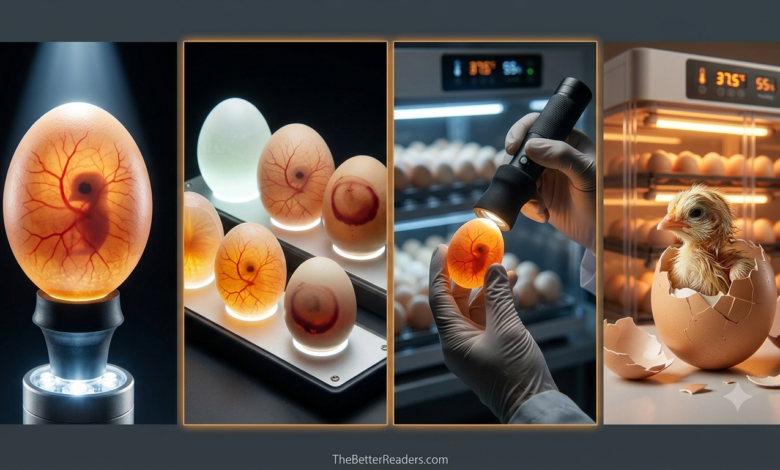
Successful poultry breeding, avian husbandry, and artificial incubation rely heavily on precision monitoring techniques. Whether you are managing a small backyard flock of egg-laying hens, raising rare ornamental birds, or managing a large-scale commercial hatchery, determining the viability of incubating eggs is crucial for maximizing hatch rates. At the core of this biological diagnostic process is a deceptively simple yet powerful tool: the egg candler.
Using an egg candler—also known as an egg candling torch or fertility tester—allows breeders to look inside an intact eggshell using high-intensity cool light. By illuminating the interior shell cavity, poultry keepers can observe embryo growth, evaluate air cell expansion, spot hairline shell cracks, and remove unfertilized or early-dead eggs before they spoil and contaminate healthy clutch mates. From traditional candling methods using candles and flashlights to high-lumens LED candlers and automated hatchery units, understanding how to candle eggs correctly transforms incubation from guesswork into a science.
For enthusiasts seeking detailed educational guides on agricultural science, practical homesteading techniques, and digital research tools, exploring the The Better Readers home portal offers comprehensive learning resources. Additional scientific literature regarding avian embryology can be referenced via Wikipedia candling documentation.
This complete informational handbook covers the science behind the egg candler, incubation timelines, embryo development identification, DIY candler construction, market prices, and expert best practices for achieving optimal incubation results.
An egg candler is a specialized illumination device designed to pass a concentrated beam of bright light through an egg. Historically, poultry farmers held eggs over beeswax candles in dark cellars to inspect internal freshness and shell integrity—giving birth to the term “candling.” Today, modern technology has replaced open flames with high-lumens LED bulbs and cool-light technology.
The fundamental mechanism relies on transillumination. Because an eggshell is translucent, a focused light source placed directly against the blunt end of the egg lights up the interior fluid contents. The light reveals shadows created by the developing embryo, blood vessel networks, the yolk sac, and the expanding air cell at the top of the shell.
Why Cool Light (LED) is Essential for Egg Candling
Old incandescent light bulbs generated significant heat when operated. Exposing a delicate embryo to hot light sources can raise internal egg temperatures, causing heat stress or lethal embryo mortality. Modern LED egg candler units generate zero thermal radiation (“cool light”), emitting between 120 to 500+ lumens. This ensures that even prolonged inspection under high intensity light causes no thermal harm to developing chicks, ducklings, or caged birds.
To browse additional biological research guides and agricultural tutorials, visit The Better Readers educational section.
Why Candling Eggs is Critical During Incubation
Regularly checking eggs with an egg candler during the 21-day chicken incubation cycle (or longer cycles for waterfowl and exotic birds) provides critical biological insights. Here are the main reasons why every poultry breeder must use a candling light:
- Identifying Fertile vs. Infertile Eggs: Clear, unfertilized eggs (“yolkers”) consume incubator space and humidity. Detecting them early allows you to discard non-viable eggs.
- Preventing Explosive Bacterial Contamination: Infertile or early-dead eggs rot quickly at incubator temperatures (37.5°C / 99.5°F). Rotting eggs harbor bacteria, build up gas, and can explode inside the incubator, coating healthy eggs with dangerous pathogens.
- Monitoring Air Cell Expansion & Humidity Levels: As moisture evaporates through shell pores, the air cell grows. Candling allows you to adjust incubator humidity levels up or down based on air cell size.
- Detecting Shell Cracks and Fractures: Hairline fractures invisible to the naked eye become glaringly obvious under high-intensity candling light. Cracked eggs can be sealed with clear candle wax or discarded.
- Tracking Embryonic Viability: Observing active movement and defined red blood vessel webs confirms that the chick is thriving.
Incubation Candling Timeline & Visual Diagnostic Key
| Incubation Stage | Visual Appearance Under Egg Candler | Diagnostic Status & Action Required |
|---|---|---|
| Day 0 (Pre-Incubation) | Clear shell, central floating yolk shadow, small air cell at top. | Baseline check. Inspect for shell fractures or double yolks. |
| Day 4 – 7 (First Check) | Dark central eye spot with radiating red blood vessel webs (“spider appearance”). | Fertile & Viable: Keep in incubator. If completely clear, remove (Infertile). |
| Day 10 – 14 (Mid Check) | Darkening embryo occupying half the egg, strong movement, distinct air cell. | Developing: Normal. If a dark red ring attached to shell is visible (“blood ring”), discard (Quit/Dead). |
| Day 18 (Lockdown) | Egg is almost entirely dark/opaque. Large air cell occupying 20% of space. | Ready for Hatch: Transfer to lockdown trays. Stop turning eggs. |
Types of Egg Candlers: From Handheld Torches to Commercial Machines
Depending on your flock size, bird species, and budget, choosing the right egg candler makes inspecting eggs fast and reliable. Here are the primary categories available in the market today:
1. Handheld Battery & Rechargeable LED Candling Torches
These are lightweight, portable aluminum or plastic torches equipped with specialized flexible rubber cups at the tip. The rubber ring forms a tight seal around different egg sizes (from small budgie eggs to large goose eggs), preventing light leakage. Popular brands include Brinsea OvaView, Titan Incubators, and generic LED candler torches widely available on online marketplaces like Daraz in Pakistan.
2. Desktop Stand & Electric Incubator-Mounted Candlers
Designed for heavy incubator use, these units sit on a tabletop and plug directly into wall sockets or incubator power ports (such as Rcom Egg Candler or Incu-Bright). You simply rest the egg on top of the glowing cup without needing to hold a flashlight, allowing fast single-handed processing of dozens of eggs.
3. Multi-Egg Fertility Testers & Automated Hatchery Scanners
Commercial hatcheries utilize multi-egg candlers (such as SureView 30-egg candling trays or NABEL automated candling machines). These industrial setups scan entire 30-egg incubator flats at once using optical sensors and high-penetration light beams, detecting infertile eggs with up to 99% accuracy in seconds.
How to Build a Homemade DIY Egg Candler
If you are incubating on a budget or need an emergency candling solution, building a homemade egg candler is simple, cheap, and highly effective. Backyard chicken keepers frequently construct DIY candlers using household materials:
Method 1: Smartphone Torch & Cardboard Adapter
Modern smartphone LED flashlights produce intense, focused cool light. Cut a small oval aperture (slightly smaller than an egg) in a piece of thick dark cardboard or black foam. Place the cardboard over your phone’s flashlight beam and rest the egg directly over the hole in a dark room. This setup offers incredible clarity for light-shelled chicken and quail eggs.
Method 2: Bright Flashlight with PVC or Rubber Collar
Take a high-lumens LED tactical flashlight. Wrap electrical tape or attach a soft rubber plumbing washer around the lens opening. The rubber collar creates a light seal when an egg rests on it, directing 100% of the light upward through the shell without blinding your eyes.
Market Availability & Price Guide in Pakistan
In Pakistan, the demand for high-performance egg candling torches and incubator accessories has surged among bird breeders, fancy poultry keepers, and commercial hatcheries. Purchasing options vary based on features and build quality:
- Entry-Level LED Candling Torches (Daraz.pk): Basic metal-body LED torches (AAA cell operated) start as low as Rs. 335 to Rs. 800 PKR. These are ideal for hobbyists and small clutches.
- Rechargeable High-Intensity Torches (Ubuy / Local Stores): Portable rechargeable LED candler lights with dual rubber caps cost between Rs. 1,500 to Rs. 3,500 PKR.
- Premium Imported Candlers (Rcom / Brinsea via Birds Planet): Premium professional tools such as the Rcom Egg Candler (120 lumens cool light) or Brinsea OvaView range from Rs. 5,000 to Rs. 12,000+ PKR, favored by exotic parrot and fancy bird breeders.
Frequently Asked Questions About Egg Candlers
1. What is an egg candler and how does it work?
An egg candler is a high-intensity lighting tool used to shine a focused beam of light through an egg shell. It allows breeders to observe embryo development, check fertility status, monitor the air cell size, and detect shell cracks during incubation.
2. When is the best time to candle chicken eggs?
The best times to candle chicken eggs are on **Day 7** (to check initial fertility and blood vessel growth), **Day 14** (to monitor embryo growth and remove quitters), and **Day 18** (before lockdown, to confirm dark filled eggs before hatching stops).
4. Can I use my mobile phone flashlight as an egg candler?
Yes! Mobile phone torches produce strong cool LED light. By placing a cardboard shield with a small hole over the phone’s flash, you can effectively candle chicken, quail, and duck eggs at home for free.
5. How can you tell if an egg is fertile when candling?
A fertile developing egg will show a dark red spot near the center with prominent spider-web blood vessels extending outward around Day 5–7. An infertile egg remains completely clear with a floating yellow yolk shadow.
6. What is the price of an egg candler in Pakistan?
In Pakistan, entry-level LED egg candler torches on platforms like Daraz.pk cost between **Rs. 335 and Rs. 800 PKR**, while specialized imported models like Rcom Egg Candlers range from **Rs. 3,500 to Rs. 10,000+ PKR** on specialty bird stores.
Conclusion: Elevate Your Hatching Success
Mastering the use of an egg candler is one of the most rewarding skills in poultry husbandry and avian breeding. By taking the time to inspect your eggs regularly during incubation, you safeguard your incubator from exploding rotten eggs, maximize space efficiency, and accurately track chick development from a microscopic vascular spot into a healthy hatching chick.
Whether you opt for a budget-friendly LED torch or build a custom DIY setup, consistent candling ensures higher hatch rates, healthier chicks, and peace of mind throughout the incubation journey.
About the Author
Syeda — Senior Technical Writer & Content Specialist at The Better Readers. Syeda produces research-backed educational blogs, agricultural mechanics guides, and digital literature reviews designed to empower readers with actionable insights.